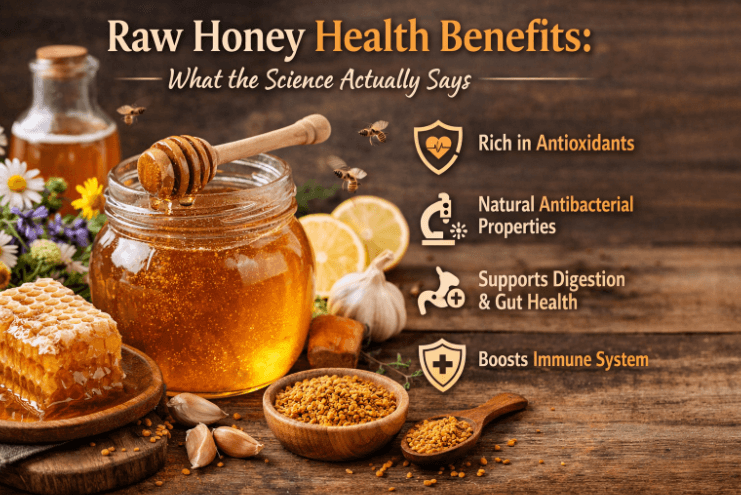
Raw honey has been valued for centuries as both a natural sweetener and a healing ingredient. Ancient civilizations used it to treat wounds, soothe sore throats, and support overall wellness. Today, modern research is beginning to validate many of those traditional uses.
As interest in natural nutrition continues to grow, more people are exploring the raw honey benefits UK consumers are talking about. Unlike heavily processed honey, raw honey retains natural enzymes, antioxidants, and nutrients that may support health in meaningful ways.
This article explores what science actually says about raw honey, how it differs from regular honey, and why high quality varieties such as Sicilian honey UK imports and other premium sources are gaining attention among health conscious consumers.
What Makes Raw Honey Different From Regular Honey
To understand the health effects of raw honey, it is important to know what makes it unique.
Raw honey is honey that has been minimally processed after being harvested from the hive. It is typically strained to remove wax and debris but is not heavily filtered or heated. This allows it to retain many natural compounds that may otherwise be destroyed.
Commercial honey, on the other hand, is often pasteurized and filtered to improve appearance and shelf life. While this process makes the honey clearer and smoother, it can also reduce beneficial nutrients.
Key differences include:
• Raw honey contains natural enzymes such as glucose oxidase and diastase
• It retains small amounts of pollen, propolis, and antioxidants
• It usually has a richer taste and thicker texture
• It may offer more potential health benefits due to preserved nutrients
Because of these differences, many nutrition experts consider raw honey a more functional food compared with conventional processed honey.
Nutritional Profile of Raw Honey
Although honey is primarily composed of natural sugars, it also contains a variety of trace nutrients that contribute to its health properties.
Raw honey typically includes:
• Natural sugars such as fructose and glucose
• Amino acids
• Vitamins such as small amounts of vitamin C and B vitamins
• Minerals including potassium, calcium, magnesium, and iron
• Antioxidants like flavonoids and phenolic acids
These compounds help explain why honey has been studied for its antimicrobial, anti inflammatory, and antioxidant potential.
While honey should still be consumed in moderation, its nutritional complexity sets it apart from refined sugar and many artificial sweeteners.
Antioxidant Properties Supported by Research
One of the most widely studied aspects of raw honey is its antioxidant activity.
Antioxidants help protect the body from oxidative stress caused by unstable molecules called free radicals. Over time, oxidative stress can contribute to aging and various chronic conditions.
Scientific studies have shown that raw honey contains several antioxidant compounds, particularly polyphenols. Darker varieties often contain higher concentrations of these beneficial compounds.
Potential benefits linked to antioxidant activity include:
• Supporting cardiovascular health
• Helping reduce inflammation in the body
• Protecting cells from oxidative damage
• Supporting overall immune health
Varieties sourced from diverse floral environments often contain stronger antioxidant profiles. For example, some Mediterranean varieties such as Sicilian honey UK suppliers import are known for their rich botanical diversity, which may influence their nutrient composition.
Natural Antibacterial and Antimicrobial Effects
Another fascinating property of raw honey is its natural antibacterial activity.
Research suggests that honey can inhibit the growth of certain bacteria through several mechanisms:
• High sugar concentration creates an environment that limits microbial growth
• Natural acidity helps prevent bacterial development
• The enzyme glucose oxidase produces small amounts of hydrogen peroxide
• Plant derived compounds provide additional antimicrobial effects
Because of these characteristics, honey has historically been used in wound care. Medical grade honey is even used in some hospitals to support healing of minor wounds and burns.
Although everyday raw honey is not the same as medical grade products, its antimicrobial nature still contributes to its reputation as a natural remedy.
Raw Honey and Immune System Support
Many people use honey to help manage seasonal illnesses and throat irritation.
The soothing texture of honey can coat the throat and reduce irritation. At the same time, the natural compounds found in raw honey may help support immune function.
Some research suggests that honey may help reduce coughing in children and adults when compared with certain over the counter treatments.
Potential immune supporting properties include:
• Natural antioxidants that support immune defense
• Mild antimicrobial effects
• Soothing action for throat discomfort
• Potential anti inflammatory benefits
These qualities explain why honey has remained a staple ingredient in traditional home remedies around the world.
Digestive Health and Prebiotic Potential
Emerging research also suggests that honey may support digestive health.
Raw honey contains small amounts of compounds that act as prebiotics. Prebiotics help feed beneficial bacteria in the gut microbiome. A healthy microbiome plays an important role in digestion, metabolism, and immune balance.
While honey should not be considered a primary prebiotic source, moderate consumption may contribute to a balanced digestive environment.
Some individuals also find honey easier to digest than certain refined sweeteners, although personal responses can vary.
Choosing High Quality Raw Honey
Not all honey sold in stores is truly raw or minimally processed. Quality can vary significantly depending on sourcing, processing methods, and floral origin.
When selecting raw honey, consumers often look for trusted producers who focus on purity and transparency.
Important factors to consider include:
• Minimal processing and no excessive heating
• Clear origin information about the floral source
• Ethical beekeeping practices
• Natural texture and crystallization, which indicates authenticity
Many honey enthusiasts also enjoy exploring unique regional varieties. Mediterranean and European honeys are particularly popular due to the diversity of flowering plants that influence flavor and nutritional composition.
For example, premium varieties such as Sicilian honey UK markets receive from specialty importers often offer complex flavor profiles and distinctive botanical characteristics.
Why Local Raw Honey Is Gaining Popularity
Across many regions, interest in locally sourced honey has increased significantly.
Consumers appreciate knowing where their food comes from and how it is produced. This is one reason why searches for raw honey London suppliers and artisan honey producers continue to grow.
Local honey can offer several advantages:
• Fresher products with minimal storage time
• Support for local beekeepers and pollination efforts
• Unique flavors reflecting local plants and flowers
• Greater transparency about production methods
Local honey communities in cities like London have expanded rapidly as consumers seek high quality alternatives to mass produced honey.
Flavor, Variety, and the Experience of Raw Honey
Beyond health benefits, raw honey is also valued for its diverse flavor profiles.
The taste, color, and texture of honey depend largely on the flowers visited by bees. This means every variety can offer a different experience.
Some honeys are light and floral, while others are dark, rich, and slightly bitter.
Examples of common honey flavor categories include:
• Floral and delicate varieties from wildflowers
• Rich and robust forest honeys
• Citrus based honeys with bright notes
• Herbal and aromatic Mediterranean varieties
Exploring these varieties has become increasingly popular among food enthusiasts who treat honey similarly to wine or specialty coffee.
For those searching for the best raw honey UK producers offer, understanding floral sources and production practices can make a significant difference in quality and taste.
What Science Suggests About Daily Honey Consumption
Although raw honey contains beneficial compounds, moderation remains important.
Honey is still a natural sugar and contributes calories to the diet. Most nutrition professionals recommend using it as a replacement for refined sugar rather than consuming large quantities.
Practical ways people include raw honey in their diets include:
• Adding a small spoon to tea or herbal drinks
• Drizzling over yogurt or oatmeal
• Using it in salad dressings
• Pairing it with cheese or whole grain bread
When used thoughtfully, honey can be part of a balanced and enjoyable diet.
Read also: Commitment to Public Safety Through Strategic Policing
A Natural Sweetener With Centuries of Tradition
Raw honey sits at the intersection of nutrition, tradition, and natural food culture. While it is not a miracle cure, scientific research supports several of the properties that have made honey valued for generations.
From antioxidant compounds to antimicrobial activity, raw honey offers a unique combination of natural benefits that refined sugar cannot provide.
Whether someone is exploring the raw honey benefits UK consumers are discussing, searching for distinctive varieties like Sicilian honey UK importers provide, or discovering artisan raw honey London producers, the growing appreciation for authentic honey reflects a broader shift toward mindful food choices.
Choosing high quality raw honey allows people to enjoy not only its sweetness but also the fascinating connection between bees, plants, and human health.