Why Compact Access Equipment Matters in Buildings
Modern buildings often contain areas that are difficult to reach using conventional access equipment. High ceilings, suspended lighting, ventilation systems, overhead pipework, and electrical installations can all require workers to operate above ground level. In commercial properties, warehouses, workshops, and domestic buildings, these tasks must often be completed without disrupting the surrounding environment.
Compact access equipment offers a practical way to approach these challenges. Designed for situations where space is limited, compact scissor lifts can help workers reach elevated areas while maintaining a suitable working platform. Their usefulness depends on selecting a model that matches the building layout, required height, floor conditions, and nature of the job.
For contractors and property maintenance teams, Scissor Lift Hire Telford provides an opportunity to explore powered access equipment for specific projects. Instead of purchasing machinery that may only be needed occasionally, businesses can consider hiring a suitable lift for the duration of their work.
Overcoming Access Challenges in Commercial Properties
Building maintenance is rarely limited to wide, open spaces. Workers may need to move between offices, retail units, storage areas, production facilities, and other environments with different access restrictions.
A traditional ladder can be useful for certain straightforward tasks, but it may not offer sufficient space for jobs involving tools, components, or extended periods of work. Scaffolding can provide a larger working area, although assembling and dismantling it may be unnecessary for some shorter maintenance activities.
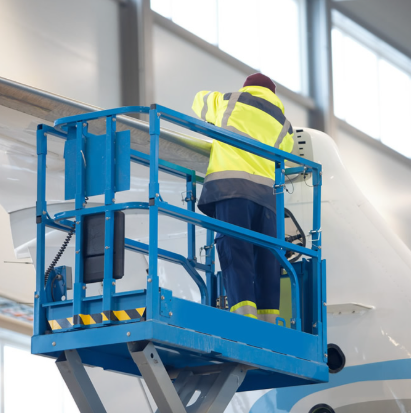
A suitable scissor lift provides a raised platform that moves vertically, allowing operators to reach specific working positions. Compact models can be particularly useful when the available floor area is restricted and the machine must navigate carefully planned access routes.
Examples of potential applications include:
- Replacing overhead lights in commercial premises.
- Inspecting ceiling fixtures and internal building services.
- Installing security equipment and cable systems.
- Carrying out decorating and refurbishment work.
- Servicing ventilation equipment in suitable indoor environments.
- Completing maintenance tasks in workshops and storage facilities.
The equipment must always be appropriate for the task and used according to its operating instructions. Not every compact lift will suit every building or working condition.
See also: Island Life, British Finds: Curating Hard-to-Get Favourites from Afar
What Makes a Compact Scissor Lift Different?
The main attraction of compact access equipment is its ability to operate in spaces where larger machinery may be impractical. However, compact dimensions should not be confused with unlimited access or suitability for every job.
Before choosing a machine, contractors should examine its overall width, length, turning requirements, platform capacity, and working height. Doorways, narrow passages, internal corners, and storage arrangements can all influence whether the equipment can reach the intended location.
Electric scissor lifts are often considered for indoor applications because their operation is relatively quiet compared with many combustion-powered alternatives. Some models are also suitable for outdoor work on firm, level surfaces, subject to the manufacturer’s specifications and environmental restrictions.
TT54 Plant Hire lists Genie GS1932 and GS2646 scissor lifts among its equipment options. These models offer different dimensions and capabilities, making it important to identify the requirements of the job before requesting a particular machine.
A supplier can help clarify equipment suitability, but the final selection should account for the actual site conditions rather than relying on a model name alone.
Planning a Maintenance Project Around the Equipment
Choosing access equipment should form part of the project planning process. When a lift arrives before the work area is ready, valuable hire time can be wasted. A little preparation can help teams use the equipment more effectively.
Identify Every Area That Needs Attention
Begin by listing the tasks that require elevated access. For example, a retail refurbishment may involve lighting installation, ceiling repairs, signage adjustments, and inspection of overhead fittings.
Grouping these tasks can help establish the most efficient working sequence. It may also help determine the required platform height and whether the same equipment can serve all parts of the project.
If several locations have different ceiling heights or access restrictions, assess each one separately before arranging the hire.
Prepare the Access Route
Measure the routes through which the machine must travel. Check doorway dimensions, corridor widths, floor transitions, and available turning space.
The delivery route deserves equal attention. A machine that fits inside the intended working area may still be difficult to transport into the building if the entrance is too narrow or the approach is obstructed.
Consider lifts, ramps, loading areas, and floor-loading limits where relevant. Never assume that a machine can be transported between floors or across a particular surface without checking its specifications and site requirements.
Organise Tools and Materials
Workers should prepare the tools and components needed for each task before raising the platform. This reduces unnecessary movement and helps prevent interruptions during the work.
All equipment carried on the platform must remain within the manufacturer’s stated capacity. Materials should be secured appropriately, and access points must remain clear.
A well-organised work area can make a short hire period more productive without compromising safe operating practices.
Choosing Equipment for Different Indoor Environments
Not every indoor project presents the same challenges. A large warehouse may have wide aisles and high ceilings, while an office refurbishment could involve narrow corridors, finished flooring, and occupied rooms.
In warehouses, the main considerations may include aisle dimensions, overhead obstructions, floor capacity, and the distance between work locations. A compact machine can be useful when its dimensions match the available space, but sufficient clearance must remain for safe movement.
In offices and retail premises, noise, floor protection, and disruption to employees or customers may be more significant. An electric model with suitable tyres and dimensions could be worth considering where the manufacturer’s guidance permits its use.
Workshops may present a different combination of challenges, including machinery, stored materials, and overhead installations. The operating area should be cleared and controlled before the lift is moved or raised.
For these situations, Compact scissor lift hire Telford is a relevant option for businesses seeking access equipment suited to restricted working environments. The most appropriate model will depend on the exact application rather than the building type alone.
Understanding Hire Costs and Scheduling
Equipment hire can help businesses manage project expenses by avoiding the upfront cost of purchasing machinery. However, the total cost involves more than the advertised hire rate.
Contractors should establish the hire duration, delivery and collection charges, payment arrangements, and responsibilities for equipment care. They should also ask about any applicable deposits, insurance requirements, damage responsibilities, or additional charges before confirming the booking.
A realistic schedule is equally important. If electrical work, decorating, and ceiling repairs are being completed by different trades, coordinate their activities to avoid leaving the machine unused while other work takes priority.
Where a project may run longer than expected, clarify the process for extending the hire period. Confirming these arrangements in advance can help prevent confusion and unexpected costs.
TT54 Plant Hire serves Telford, Shrewsbury, and the wider West Midlands, with delivery available at an additional charge. Customers should confirm availability, delivery arrangements, and the applicable terms directly with the supplier before booking.
Safe Operation Should Always Come First
Even a small access platform requires careful operation. Compact equipment can still create serious risks if it is used on unsuitable ground, overloaded, or moved without adequate clearance.
Operators must be competent and authorised to use the equipment. They should understand the controls, emergency lowering arrangements, capacity limits, and any restrictions relating to platform elevation or movement.
Before use, inspect the machine according to the manufacturer’s requirements. Check that the work area is suitable, identify overhead hazards, and keep other people clear of the operating zone. The platform must not be raised on unsuitable surfaces or used in environmental conditions beyond its permitted limits.
Workers should also avoid climbing on guardrails or using makeshift extensions to gain additional height. Where the task requires specialist training, appropriate training must be completed before work begins.
These precautions are essential for maintaining a controlled working environment throughout the hire period.
Making a Better Hire Decision
The most effective access solution is one that fits the job without introducing unnecessary complexity. Businesses should compare the required height, available space, machine dimensions, working conditions, and project schedule before selecting equipment.
It is also sensible to discuss unusual site restrictions with the hire supplier. Clear information about the building and intended work helps establish whether a particular model is appropriate and whether additional preparation is needed.
For repeat maintenance contracts, keeping records of access dimensions and equipment requirements can simplify future bookings. This information can help teams plan work more consistently and reduce the risk of overlooking important site restrictions.
Conclusion
Compact scissor lifts can be useful for maintenance, installation, and refurbishment projects where workers need a stable elevated platform but have limited room to manoeuvre. Their effectiveness depends on matching the machine to the working height, access route, floor conditions, and demands of the task.
Businesses exploring Scissor Lift Hire Telford can consider hiring equipment for individual contracts rather than committing to permanent ownership. For buildings with restricted access, Compact scissor lift hire Telford may provide a practical starting point when assessing available options.
By planning the work carefully, checking equipment specifications, confirming hire arrangements, and prioritising operator safety, contractors can make more informed decisions and keep their projects organised from start to finish.