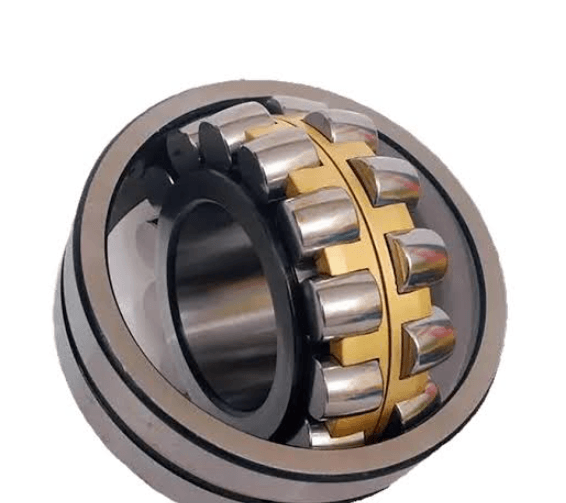
Large industrial machines often need to rotate heavy structures while maintaining stability, alignment, and controlled movement. From construction equipment to renewable energy installations, the bearing system connecting stationary and rotating components plays a central role in safe and dependable operation.
As machinery becomes larger and more specialized, selecting a suitable bearing requires careful consideration of load capacity, mounting arrangements, environmental conditions, and maintenance requirements. A bearing that performs well in one machine may not be suitable for another, even when their dimensions appear similar.
Large-diameter slewing bearings are designed for applications that require rotational movement between substantial structural components. Understanding their construction and selection criteria helps equipment manufacturers, maintenance engineers, and purchasing teams make informed decisions.
What Are Large-Diameter Slewing Bearings?
A slewing bearing is a large-diameter rolling-element bearing that supports rotation between two connected structures. It is commonly installed between a machine’s base and its rotating upper assembly, allowing controlled movement while transferring loads through the bearing and its mounting system.
Depending on the design, a slewing bearing may use balls, cylindrical rollers, or other rolling-element arrangements. Some models incorporate an external or internal gear that engages with a drive pinion to produce rotation.
Large-diameter designs are used when machinery requires a wide rotational support area or must accommodate substantial structural loads. Their suitability depends on the application’s engineering requirements rather than diameter alone.
Important characteristics include the bearing’s overall dimensions, rolling-element arrangement, load ratings, gear configuration, sealing system, and mounting-hole pattern. These features should be evaluated together before a product is specified.
Why Diameter and Load Capacity Matter
Supporting Large Rotating Structures
The diameter of a slewing bearing influences the dimensions of the supporting structure and the distribution of forces within the assembly. A larger bearing may provide a broader mounting interface, but the correct size must be determined from the machine’s design requirements.
Engineers should consider the weight of the rotating structure, the loads applied during operation, and the distance between those forces and the bearing’s center. These factors influence the axial and radial forces and the overturning moments acting on the assembly.
Managing Combined Loads
Industrial machinery rarely experiences only one type of load. A rotating platform may carry vertical weight while also experiencing horizontal forces and moments created by an offset load.
The bearing must accommodate the expected combination of forces within its specified operating limits. The mounting structure, fasteners, and connected components must also be capable of transferring those forces safely.
A bearing’s rated capacity should not be considered independently of installation conditions. Supporting surfaces that deform or mounting arrangements that create uneven loading can affect performance.
Maintaining Rotational Stability
Smooth rotation depends on more than the rolling elements. Raceway geometry, internal clearance, lubrication, gear engagement, and structural alignment can all influence how the bearing performs.
In applications that require accurate positioning, engineers should consider the stiffness of the complete assembly and the effects of operating loads on alignment.
Industries That Use Large-Diameter Slewing Bearings
Construction and Crane Systems
Cranes and other construction machines often need to rotate an upper structure while supporting equipment weight and lifting loads. The bearing transfers forces between the rotating assembly and the machine’s base.
Selection should account for the machine’s operating range, lifting conditions, duty cycle, and applicable engineering requirements. Correct installation and regular inspection are particularly important because the bearing operates as part of a safety-critical mechanical system.
Mining and Bulk Material Handling
Mining equipment and bulk-material handling systems may operate for long periods under demanding conditions. Dust, vibration, heavy loads, and continuous operation can increase the importance of appropriate bearing selection and maintenance.
Large rotating equipment must be designed around its actual load profile and operating environment. Contamination protection, lubrication access, and inspection procedures should be considered during the equipment design stage.
Renewable Energy Equipment
Some renewable energy installations use large bearings in systems that require controlled rotation or orientation. The appropriate design depends on the equipment type, applied forces, environmental exposure, and required service life.
Outdoor installations may face temperature changes, moisture, wind-related loads, and other environmental influences. Sealing and corrosion protection should therefore be evaluated alongside the bearing’s mechanical characteristics.
Industrial Turntables and Processing Equipment
Large turntables, positioning platforms, and specialized manufacturing machines may require rotational support for heavy or bulky components.
In these applications, dimensional compatibility, repeatable movement, and mounting stiffness can be important selection factors. Engineers should also consider how maintenance personnel will access lubrication points and inspect the assembly after installation.
How to Select a Suitable Bearing
Selecting a large-diameter slewing bearing begins with a clear understanding of the machine’s requirements.
Establish the Load Requirements
Identify the expected axial and radial loads and any overturning moments. Consider both normal operation and relevant load cases such as starting, stopping, acceleration, and changing load positions.
For machinery with variable operating conditions, the load profile should reflect the actual use of the equipment rather than a single estimated value.
Confirm Dimensions and Mounting Details
Check the inner and outer diameters, overall height, mounting-hole arrangement, and any required gear dimensions. The bearing must fit the available installation space and match the connected structure.
For replacement projects, existing dimensions and identification numbers can help establish the starting point. However, the original bearing’s specifications should be verified before ordering a substitute.
See also: Benefits of Quantum Technology
Evaluate the Operating Environment
Temperature, dust, water, chemicals, vibration, and corrosion risks can influence material and sealing requirements. The bearing’s lubrication system must also suit the operating conditions and maintenance schedule.
Equipment exposed to harsh outdoor or industrial environments may require additional protection against contamination and corrosion.
Consider Drive Compatibility
Where a geared bearing is used, the gear type, tooth geometry, pinion arrangement, and required rotational speed should be checked.
Poor gear alignment or unsuitable engagement can create uneven contact, excessive noise, and premature wear. Drive compatibility should therefore be assessed as part of the complete assembly.
Working With a Bearing Supplier
A supplier should be able to provide relevant product information that allows the engineering team to assess compatibility. Useful documentation may include dimensional drawings, load ratings, material information, mounting instructions, and applicable quality records.
Buyers comparing LYHGB Bearing large slewing bearings uk should confirm the required dimensions, load capacity, gear arrangement, and operating specifications before selecting a product. They should also clarify manufacturing lead times, inspection documentation, and technical support where these are important to the project.
For UK-based equipment manufacturers and maintenance teams, delivery arrangements and communication across time zones may also affect procurement planning. International suppliers should be assessed according to documented capabilities and the requirements of the intended application rather than geographic assumptions alone.
A detailed technical inquiry can make the selection process more efficient. Providing equipment drawings, expected loads, environmental information, and the original component details helps reduce uncertainty and makes product comparisons more meaningful.
Installation Practices for Reliable Performance
Correct installation helps the bearing operate according to its intended design. Before assembly, technicians should inspect the mounting surfaces and confirm that they meet the specified flatness and stiffness requirements.
The bearing and mating components should be handled carefully to avoid damage or contamination. Fasteners must meet the specified requirements for grade, size, tightening sequence, and torque.
For geared bearings, technicians should verify the gear engagement and pinion alignment according to the manufacturer’s instructions. Uneven contact can increase resistance and create localized wear.
After installation, the assembly should be tested under the equipment manufacturer’s commissioning procedure. Unusual noise, vibration, or rotational resistance should be investigated before normal operation begins.
Maintenance and Service-Life Considerations
A planned maintenance programme helps identify changes in bearing condition before they develop into more serious problems. Inspection frequency should reflect the equipment’s workload, environment, operating hours, and manufacturer’s recommendations.
Lubrication is particularly important because it reduces friction and helps protect rolling contacts. The lubricant type, quantity, and replenishment interval must follow the applicable instructions.
Technicians should inspect seals for damage and check for signs of contamination. They should also monitor changes in temperature, vibration, noise, and rotational behavior.
Maintenance records can reveal recurring issues and help teams plan servicing around production requirements. Where abnormal behavior appears, the cause should be investigated rather than assuming that lubrication alone will resolve the problem.
Frequently Asked Questions
1. What is the main purpose of a large-diameter slewing bearing?
It supports controlled rotation between connected structures while transferring the specified loads through the bearing and mounting arrangement. It is commonly used in large industrial machines and rotating platforms.
2. How do I determine the correct bearing size?
Consider the machine’s load requirements, mounting dimensions, operating conditions, and required service life. Engineering calculations and manufacturer documentation should be used to verify the selection rather than relying on diameter alone.
3. Can a large slewing bearing be replaced with a similar-sized model?
Not without checking compatibility. The replacement must meet the required load ratings, dimensions, gear specifications, mounting requirements, and operating limits.
Conclusion
Large-diameter slewing bearings support rotational movement in machinery that requires a stable connection between stationary and rotating structures. Their successful application depends on matching the bearing design to the load profile, dimensions, drive arrangement, and operating environment.
By reviewing technical documentation, selecting suitable suppliers, following correct installation procedures, and maintaining a consistent inspection schedule, equipment owners can improve reliability and reduce avoidable downtime. A systematic selection process helps ensure that the bearing performs as intended throughout its service life.