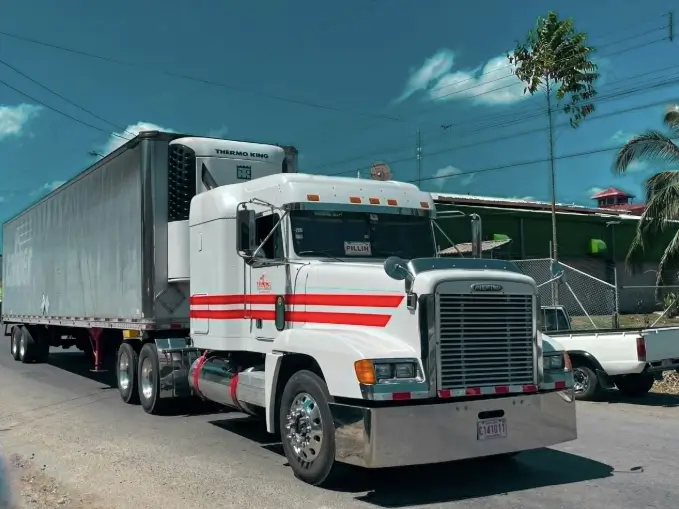
You might still be replaying the moment in your head. The sudden brake lights. The roar of a tractor trailer beside you. The sickening impact on I-75, I-85, or the loop of I-285. One minute you were just trying to get home or to work. The next, you are dealing with pain, a damaged car, and a flood of questions about what happens now. A Truck accident lawyer in Atlanta can help you understand your options and what to do next.end
If you are feeling overwhelmed, exhausted, or even a little numb, that is a very human reaction. Crashes with big rigs are different from routine fender benders. The injuries can be worse. The legal issues can be more tangled. The trucking company may already have a team working behind the scenes while you are just trying to sleep through the night.
So where does that leave you. In simple terms, interstate trucking collisions on I-75, I-85, and I-285 often involve federal safety rules, powerful insurance carriers, and complex questions about who is really responsible. Understanding those moving pieces is the first step toward protecting your health, your income, and your future.
Why Crashes With Big Rigs On These Interstates Feel So Overwhelming
Interstates like I-75, I-85, and I-285 see a constant stream of commercial trucks. Many of them are on tight schedules. Some are hauling heavy or hazardous loads. When something goes wrong at highway speed, the results can be devastating.
On top of the physical shock, there is the mental load. You may be wondering how you will pay your medical bills, whether you can return to work, and what to say if an insurance adjuster calls you. You might also feel pressure to “just settle” so you can move on, even if you are still in pain.
Truck crashes are not just about one driver making a mistake. Federal data on large truck crash facts shows that these collisions often involve multiple causes. It can be driver fatigue, poor maintenance, unsafe loading, or company pressure to deliver on time. That makes it hard for an injured person to know where to even start.
Because of this tension, you may be asking yourself whether you should just trust the trucking company’s insurance or whether you need someone in your corner.
What Makes Interstate Trucking Collisions Legally Different
Crashes with commercial trucks on I-75, I-85, and I-285 are shaped by a web of federal and state rules. The Federal Motor Carrier Safety Administration (FMCSA) regulates hours of service, drug and alcohol testing, maintenance, and more. When a truck is operating across state lines, these rules usually apply, and violations can be powerful evidence.
For example, if a truck driver had been on the road too long and violated hours of service rules, that can support a claim that fatigue contributed to the crash. If the trucking company skipped required inspections or ignored known mechanical problems, that can point to a pattern of neglect, not just “bad luck.”
Investigations into highway truck collisions often look at factors similar to those studied in the Large Truck Crash Causation Study. That research found common issues like driver distraction, speeding, following too closely, and decision errors. On crowded interstates around major cities, those risks are magnified.
So what does that mean for you after a serious crash. It means the question is not just “Who hit whom.” It is also “Who controlled the truck, who set the schedule, who maintained the vehicle, and who may have broken safety rules.” A seasoned personal injury lawyer knows how to trace those threads.
See also: Best Snow Prediction Tool for Winter Weather Forecasts in 2026
Problem, Agitation, Solution: The Hidden Strain After a Truck Crash
The problem often starts quietly. After the collision, you are focused on medical visits and trying to get your car fixed. The insurance company may seem polite. They may even say they “just need a recorded statement” to move things along.
Then the agitation sets in. Your pain does not fade as fast as you hoped. Your paycheck shrinks because you are missing work. The first settlement offer, if one comes, feels low, and no one explains how they reached that number. You may not even know the full extent of your injuries yet, especially if there is a risk of surgery or long term treatment.
This is where the legal and regulatory side matters. If the truck was operating for interstate commerce, the company is usually required to carry higher insurance limits. There may be electronic logging devices, onboard cameras, maintenance records, and safety audits that can support your claim. Programs like the FMCSA’s Crash Causation and Prevention initiatives exist because regulators know how serious these wrecks are.
The solution is not a magic button. It is a process. It means documenting your injuries, protecting your right to medical care and lost wages, and building a case that shows not only that you were hurt, but why the trucking company or driver should be held responsible. That is where having someone who understands truck regulations and insurance strategy can shift some of the weight off your shoulders.
Should You Handle This Alone Or Get Help From A Lawyer
Many people wonder if they should try to handle a claim on their own first. That is a fair question. To make it more concrete, here is a comparison of trying to manage a serious interstate truck crash claim by yourself versus working with an attorney who focuses on truck accident cases.
| Issue | Handling It Yourself | Working With a Trucking Injury Lawyer |
| Access to Evidence | May not know to request logs, black box data, or company policies, and some evidence can be lost or overwritten quickly. | Knows how to send preservation letters and request driver logs, electronic data, and maintenance records early. |
| Understanding Federal Rules | Limited awareness of FMCSA regulations that could support your claim. | Uses violations of safety rules to show negligence and increase leverage in negotiations. |
| Dealing With Insurers | Relies on adjuster’s guidance, which may focus on minimizing payout. | Negotiates based on medical evidence, wage loss, and long term impact, and anticipates common insurance tactics. |
| Valuing the Claim | Hard to estimate future care costs, lost earning ability, and non economic harm like pain and limitations. | Works with medical and financial experts to project long term losses and argue for full compensation. |
| Time and Stress | You manage calls, paperwork, and deadlines while trying to heal. | Legal team handles most of the process so you can focus on medical recovery. |
No table can capture every detail, but it highlights one core truth. You are dealing with a sophisticated opponent that understands truck claims very well. You deserve the same level of understanding on your side.
Three Concrete Steps To Protect Yourself After A Truck Crash
1. Get thorough medical care and follow up, even if you “feel mostly okay”
Adrenaline can mask pain. Some injuries, especially to the spine, brain, or soft tissue, show up days or weeks later. See a doctor as soon as you can and describe the crash in detail. Follow through with specialist referrals, imaging, and therapy. Your medical records will later tell the story of what the collision did to your body, so you want them to be clear and complete.
2. Preserve evidence from day one
Keep photos of the scene, your vehicle, and any visible injuries. Save all medical bills, receipts, and records of missed work. Do not throw away braces, slings, or medications when you are done, since they can demonstrate the seriousness of your treatment. Avoid posting about the crash on social media. If you talk with any witnesses, write down their names and contact information while it is fresh.
3. Talk with a lawyer experienced in truck collisions before giving a recorded statement
Insurance adjusters may sound friendly. Their job is to protect their company’s bottom line. Words can be taken out of context later. Before you agree to a recorded statement or sign any documents, consider speaking with an attorney who has handled interstate truck accident claims. A short conversation can help you understand your rights, timelines, and what information is safe to share.
Moving Forward After A Crash On I-75, I-85, Or I-285
You did not choose to be hit by a commercial truck. You did not ask for the pain, the paperwork, or the uncertainty. What you can choose now is how you respond and who stands with you.
Understanding the legal and regulatory side of interstate trucking collisions on I-75, I-85, and I-285 will not erase what happened. It can, however, give you a path. You deserve time to heal, clear information about your options, and a fair chance to rebuild your life.
If you feel unsure about your next step, that is okay. Start small. Get the medical care you need. Protect the evidence you can. Then consider reaching out to a trusted personal injury lawyer to talk through your situation in plain language and decide what makes sense for you.