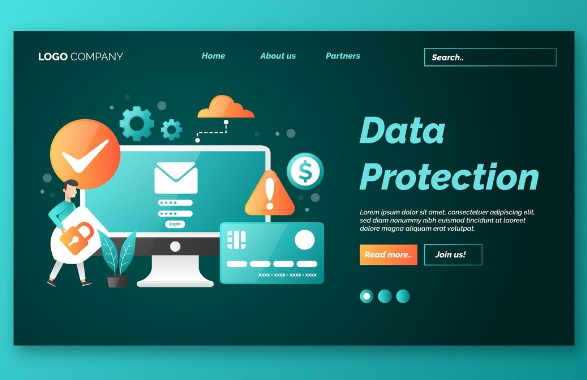
In today’s digital-first world, data is the lifeblood of organizations. From confidential customer details and financial records to intellectual property and operational data, businesses depend on information to function effectively and remain competitive. However, with increasing data usage comes a growing risk of data loss, whether through cyberattacks, human error, or system failures. This is where a data loss protection solution becomes essential.
A data loss protection (DLP) solution is designed to prevent sensitive data from being lost, misused, or accessed by unauthorized individuals. It plays a crucial role in maintaining enterprise data security, ensuring that organizations can operate confidently in an environment filled with digital risks.
What is a Data Loss Protection Solution?
A data loss protection solution is a set of tools, policies, and processes that monitor, detect, and prevent the unauthorized transmission or loss of sensitive data. These solutions help organizations identify critical information, control how it is accessed, and ensure that it remains secure at all times.
DLP solutions work across multiple environments, including on-premises systems, cloud platforms, and endpoint devices. They provide visibility into data movement and enforce security policies to prevent data breaches.
Importance of Data Loss Protection
Data loss can have severe consequences for organizations, including financial losses, reputational damage, and legal penalties. Implementing a robust DLP solution is essential for mitigating these risks.
Key Reasons to Implement DLP
- Prevent Data Breaches: Protects sensitive information from unauthorized access.
- Ensure Compliance: Helps meet regulatory requirements related to data protection.
- Protect Intellectual Property: Safeguards proprietary business information.
- Enhance Customer Trust: Demonstrates commitment to data security.
- Support Enterprise Data Security: Strengthens overall security infrastructure.
A well-implemented DLP solution is a cornerstone of modern enterprise data security strategies.
Types of Data Loss Protection Solutions
DLP solutions can be categorized based on the environment they protect:
1. Network DLP
Monitors data in motion across networks, preventing unauthorized transfers via email, web uploads, or other channels.
2. Endpoint DLP
Protects data on devices such as laptops, desktops, and mobile devices by controlling access and usage.
3. Cloud DLP
Secures data stored and shared in cloud environments, ensuring compliance and preventing unauthorized access.
4. Storage DLP
Focuses on data at rest, ensuring that stored information is secure and properly classified.
Each type plays a vital role in maintaining comprehensive enterprise data security.
Key Features of a Data Loss Protection Solution
A robust DLP solution includes several essential features:
Data Discovery and Classification
Identifies sensitive data and categorizes it based on importance and risk level.
Policy Enforcement
Applies rules to control how data is accessed, shared, and stored.
Real-Time Monitoring
Tracks data movement and detects suspicious activities instantly.
Encryption
Protects data by converting it into unreadable formats for unauthorized users.
Incident Response
Provides alerts and automated actions to mitigate potential data breaches.
Reporting and Analytics
Offers insights into data usage and security incidents for better decision-making.
How DLP Supports Enterprise Data Security
A data loss protection solution is a critical component of enterprise data security. It complements other security measures such as firewalls, antivirus software, and access controls.
By integrating DLP into enterprise security frameworks, organizations can:
- Gain visibility into data flows
- Prevent unauthorized data transfers
- Reduce insider threats
- Ensure compliance with regulations
- Strengthen overall security posture
This integration creates a layered defense system that protects data at every stage of its lifecycle.
Common Causes of Data Loss
Understanding the causes of data loss helps organizations implement effective prevention strategies.
1. Human Error
Accidental deletion, misconfigured systems, or sending sensitive data to the wrong recipient.
2. Cyberattacks
Malware, ransomware, and phishing attacks targeting sensitive information.
3. Insider Threats
Employees or contractors intentionally or unintentionally compromising data.
4. System Failures
Hardware malfunctions or software crashes leading to data loss.
5. Poor Security Practices
Weak passwords, lack of encryption, and inadequate access controls.
A DLP solution addresses these risks by providing proactive and reactive protection mechanisms.
See also: Possum Removal Sydney: Safe and Legal Ways to Remove Possums from Your Property
Benefits of Implementing a DLP Solution
1. Enhanced Data Visibility
Organizations gain a clear understanding of where their data resides and how it is used.
2. Improved Compliance
DLP solutions help meet regulatory requirements and avoid penalties.
3. Reduced Risk of Data Breaches
Proactive monitoring and controls minimize the likelihood of data loss.
4. Protection of Business Reputation
Strong data security practices build trust with customers and stakeholders.
5. Integration with Enterprise Data Security
DLP solutions strengthen the overall enterprise data security framework.
Best Practices for Implementing DLP
To maximize the effectiveness of a data loss protection solution, organizations should follow these best practices:
Define Clear Policies
Establish rules for data handling, access, and sharing.
Conduct Regular Audits
Evaluate security measures and identify areas for improvement.
Train Employees
Educate staff on data security practices and the importance of DLP.
Use Strong Encryption
Protect sensitive data both at rest and in transit.
Monitor Continuously
Implement real-time monitoring to detect and respond to threats.
Integrate with Existing Systems
Ensure that DLP solutions work seamlessly with other security tools.
Challenges in Data Loss Protection
While DLP solutions are essential, they come with certain challenges:
- Complexity of implementation
- High initial costs
- Balancing security with user productivity
- Managing large volumes of data
- Keeping up with evolving threats
Organizations must address these challenges through careful planning and investment in the right technologies.
Future Trends in Data Loss Protection
As technology evolves, DLP solutions are becoming more advanced and sophisticated. Key trends include:
- AI-Driven DLP: Using artificial intelligence to detect anomalies and predict threats
- Cloud-Native Security: Enhanced protection for cloud-based environments
- Zero Trust Architecture: Verifying every access request to ensure security
- Automation: Streamlining security processes and reducing human error
- Integration with Enterprise Data Security: Creating unified security cosystems
These trends will shape the future of data protection and help organizations stay ahead of emerging risks.
Building a Strong Data Protection Strategy
A comprehensive data protection strategy includes:
- Identifying sensitive data
- Assessing risks and vulnerabilities
- Implementing DLP solutions
- Monitoring and updating security measures
- Ensuring compliance with regulations
By combining these elements, organizations can create a robust framework that supports long-term enterprise data security.
Conclusion
In an era where data is a critical business asset, protecting it is more important than ever. A data loss protection solution provides the tools and strategies needed to prevent data breaches. If your organization is ready to implement a reliable data loss protection solution and strengthen its enterprise data security, contact us today. Our team of experts is here to help you design and deploy effective data protection strategies tailored to your business needs.