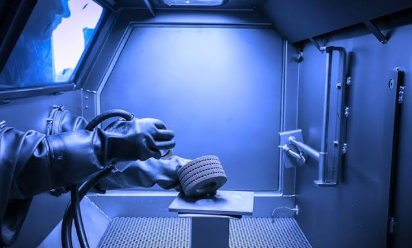
Manufacturing quality depends on more than the materials and machines used to make a product. Every stage of production, including surface preparation, can influence the final result. When cleaning procedures vary between operators or shifts, manufacturers may experience inconsistent finishes, longer processing times, and additional inspection work. A standardised cleaning process can help reduce these variations and make production easier to manage.
Why Standardisation Matters
A consistent process gives operators a clear method to follow and provides supervisors with measurable criteria for evaluating results. Instead of relying on personal judgement alone, a facility can define the acceptable surface condition, approved equipment settings, inspection method, and response to defects.
Standardisation is particularly useful when the same types of components are processed repeatedly. It also helps businesses identify whether changes in cleaning performance result from the equipment, incoming material, contamination, or operator technique.
The objective is not to force every component through identical settings. It is to establish controlled procedures for each approved application.
Choosing a Suitable Cleaning Technology
Industrial cleaning methods include manual brushing, abrasive blasting, chemical treatment, and laser-based surface preparation. Each has different strengths and limitations. Selection should depend on the substrate, contaminant, production volume, required finish, available workspace, and safety obligations.
Laser cleaning may be worth investigating when manufacturers need a controlled way to remove selected contaminants from metal surfaces. However, its performance should be verified on the actual parts that will be processed.
Businesses researching equipment options can explore the Clyertek continuous laser cleaning machine collection when comparing continuous laser systems for their intended industrial applications.
Establishing a Repeatable Workflow
Step 1: Inspect incoming components
Before cleaning, record the material, surface condition, and type of contamination. Components that look similar may have different coating histories or levels of corrosion. Identifying these differences can prevent the use of unsuitable settings.
Where necessary, separate parts into groups according to their material and cleaning requirements.
Step 2: Define the acceptance criteria
Decide what a successful cleaning result looks like. Depending on the application, this may involve removing visible rust, eliminating a particular coating, preparing a surface for welding, or meeting a finishing specification.
The criteria should be linked to the component’s intended use. Visual appearance alone may not prove that a surface meets the requirements of a later coating or bonding operation.
Step 3: Document approved settings
Record the relevant equipment settings, working distance, scanning pattern, movement speed, and other parameters recommended for the validated process. The exact information required depends on the equipment and application.
Operators should know which adjustments are permitted and when a supervisor must approve a change.
Step 4: Inspect and record the result
Use a consistent inspection method to verify that the process meets the acceptance criteria. Record failures, unexpected surface changes, and any additional treatment required.
These records help the facility refine the procedure and investigate recurring issues.
Understanding Continuous Laser Technology
Continuous laser systems deliver energy continuously rather than in discrete pulses. This operating approach can suit some industrial cleaning tasks, but the result depends on the system design and process settings.
Manufacturers should avoid selecting equipment solely because it has a continuous output mode. The important questions are whether the technology suits the contamination, whether the surface can tolerate the process, and whether the required production rate can be achieved reliably.
A trial should compare the cleaning result, treatment time, operator handling, and any downstream effects with the existing process.
Training Operators and Supervisors
Even a capable machine cannot guarantee a consistent result without appropriate training. Operators should understand setup, approved parameters, workpiece positioning, inspection requirements, and shutdown procedures.
Training should also explain the limits of the process. If a component has an unknown coating, unusual corrosion, or unexpected surface damage, the operator should know when to stop and request further assessment.
Supervisors can support consistency through periodic observations, refresher training, and reviews of cleaning records. These measures help prevent gradual departures from the approved procedure.
Quality Control and Continuous Improvement
Standardised cleaning creates an opportunity to measure performance over time. Useful indicators may include average treatment time, percentage of parts accepted on first inspection, rework frequency, consumable use, and downtime.
Review these indicators at regular intervals. If cleaning quality deteriorates, investigate the cause instead of automatically increasing power or changing several settings at once. Changes should be tested and documented before becoming part of the standard process.
When components undergo welding, painting, coating, or bonding after cleaning, feedback from those departments can reveal whether the preparation method is delivering the required surface condition.
Safety and Environmental Management
Laser cleaning requires appropriate controls for direct and reflected radiation. Depending on the material being removed, the process may also produce fumes, dust, or particles. Safety requirements should be determined through a documented assessment of the equipment, workpiece, and operating environment.
Controls may include a designated work area, suitable enclosures, interlocks, laser-rated protective eyewear, extraction, warning signs, and operator training. Unknown coatings should be assessed before processing so that suitable ventilation and protective measures can be selected.
Standard operating procedures should include safety checks as well as cleaning instructions. This helps make safe behaviour part of normal production rather than an afterthought.
Frequently Asked Questions
1. Why document cleaning parameters?
Documentation supports repeatability, training, troubleshooting, and quality assurance. It also helps operators identify when a part falls outside the approved process.
2. Is one cleaning procedure suitable for every component?
Usually not. Different materials, contaminants, geometries, and finish requirements may need separate validated procedures.
3. How can a business measure cleaning improvements?
Compare treatment time, first-pass acceptance, rework, consumable use, downtime, and downstream quality before and after implementation.
See also: North Bergen Facility Maintenance by Tech Services of NJ
Conclusion
A repeatable cleaning process helps manufacturers control surface quality and reduce unnecessary variation. Continuous laser technology may suit particular production tasks, but its value depends on application testing, correct settings, operator training, and suitable safety controls. By documenting procedures and monitoring measurable outcomes, businesses can determine where a new cleaning method genuinely improves production and maintain those improvements over time.