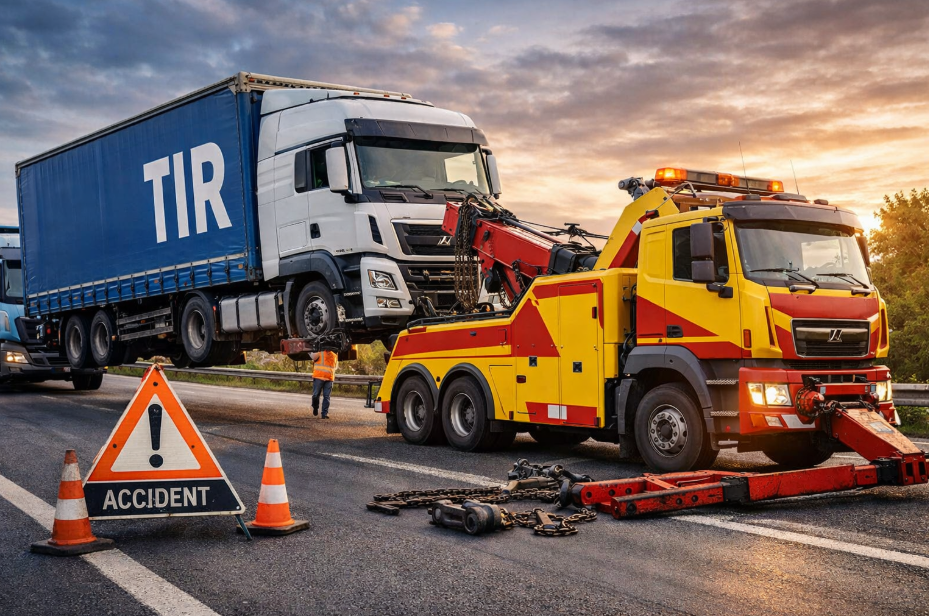
When a heavy truck breaks down on the road, one of the first questions transport companies and drivers ask is simple: how much will towing actually cost? The answer depends on several factors, including vehicle size, load type, distance, road conditions, and response time. In the world of commercial transport, holowanie TIR is not a standard passenger car service. It requires specialized equipment, skilled operators, and fast coordination, all of which affect the final price. Understanding what shapes the cost helps fleet owners, logistics managers, and drivers make better decisions under pressure.
Why TIR towing costs more than standard vehicle towing
Towing a passenger car is relatively straightforward compared to recovering a loaded truck or articulated lorry. A TIR vehicle is much larger, heavier, and often more difficult to secure. In many situations, the service team must bring heavy-duty tow trucks, hydraulic lifting systems, winches, and additional safety equipment.
The complexity of the job raises the cost for several reasons:
- Heavy vehicles require specialized towing units
- Operators need technical experience with commercial trucks
- Recovery often takes longer than standard roadside assistance
- Traffic management and roadside safety measures may be necessary
- Cargo type can create extra handling or legal requirements
A simple breakdown on a motorway shoulder is very different from a jackknifed truck in a ditch or a loaded trailer stuck in mud. That is why pricing varies so widely from one case to another.
Main factors that influence TIR towing prices
There is no universal fixed rate for every towing case. Most companies calculate the price based on a set of key variables. If you know these elements in advance, it becomes easier to estimate what you may pay.
Vehicle size and weight
The heavier the truck, the more demanding the towing process becomes. A tractor unit without a trailer will cost less to tow than a fully loaded articulated truck. Larger and heavier combinations require stronger equipment and, in some cases, multiple recovery vehicles.
Type of incident
A simple mechanical failure usually costs less than accident recovery. If the truck has gone off the road, overturned, or become trapped in a difficult location, the job becomes more labor-intensive. This increases both service time and operational complexity.
Distance to the destination
Distance remains one of the biggest cost drivers. A short tow within a city or industrial zone will be priced very differently from a long-distance tow across regions. Many providers charge a base fee plus an additional amount per kilometer.
Time of day and urgency
Emergency service at night, on weekends, or during holidays often comes with additional fees. Urgent dispatch also affects pricing, especially if the company must prioritize your case immediately and send out a heavy recovery unit without delay.
Cargo and trailer condition
If the truck is carrying sensitive, hazardous, refrigerated, or oversized cargo, the situation may require special handling. In some cases, unloading, trailer separation, or securing goods becomes part of the operation, increasing the final bill.
Road and weather conditions
Snow, rain, mud, narrow access roads, and motorway restrictions can all complicate towing. Poor conditions raise operational risk and may require more time, equipment, or staff.
Typical price ranges for TIR towing
Although exact rates differ by region and provider, it is useful to look at common pricing patterns. In most cases, the total cost includes arrival, on-site assessment, recovery setup, towing, and any extra work needed.
You may come across pricing such as:
- A base call-out fee for dispatch and arrival
- A recovery fee depending on the difficulty of the job
- A per-kilometer towing charge
- Additional fees for night service, road obstacles, or waiting time
- Costs for cranes, winching, or extra support vehicles if required
For a relatively simple truck tow over a short distance, the cost may remain moderate. But if the job involves accident recovery, cargo complications, or a difficult roadside position, the price can rise significantly. In severe cases, the total may be several times higher than a standard roadside breakdown service.
That is why experienced operators usually avoid quoting a flat number without first understanding the situation. The more accurate the initial details, the more realistic the estimate.
See also: Upgrade Your Business 913923318 Online Platform
Hidden charges many transport companies overlook
One of the biggest frustrations during emergency recovery is receiving an invoice that is higher than expected. This often happens because people focus only on the towing distance and forget about the extra services involved.
Some commonly overlooked charges include:
- Securing the accident scene
- Use of cranes or hydraulic recovery tools
- Waiting time for police, insurers, or cargo inspection
- Trailer disconnection and repositioning
- Storage fees if the vehicle is taken to a yard
- Special handling for damaged axles or locked wheels
Before confirming service, it is smart to ask what is included in the quoted rate. A detailed explanation can prevent misunderstandings later.
When roadside help is enough and when towing is necessary
Not every truck issue leads directly to towing. Sometimes roadside support can solve the problem on site, which is usually more cost-effective and faster for the operator. Battery issues, minor electrical faults, tire replacement, fuel delivery, and some mechanical repairs may be resolved without moving the vehicle.
In more serious cases, towing becomes unavoidable. This is especially true when:
- The truck cannot move safely under its own power
- Steering, brakes, or axle components are damaged
- There has been a collision
- The trailer or tractor is unstable
- Local regulations prevent continued operation
At this point, professional Pomoc Drogowa TIR becomes essential, especially in busy transport corridors where quick intervention protects both the driver and other road users. Reliable support in the middle of a route can reduce downtime, prevent cargo delays, and limit secondary losses.
How to get a more accurate towing quote
If you want an accurate cost estimate, the first call matters. The more precise your information, the easier it is for the towing company to prepare the right equipment and give you a realistic price.
Try to provide:
- Exact vehicle type and configuration
- Whether the truck is loaded or empty
- The nature of the breakdown or accident
- Whether the truck is on the road, shoulder, ditch, or another difficult area
- The exact location and route access
- Whether the trailer is attached
- Any visible damage affecting wheels, axles, steering, or cargo
Photos can also help if the service provider accepts them. A few clear images often speed up the assessment and reduce pricing uncertainty.
Does insurance cover TIR towing costs?
Insurance may cover part or all of the towing bill, but that depends on the policy. Some operators have dedicated assistance packages for commercial fleets, while others rely on accident or breakdown coverage with specific limits.
It is important to check:
- Whether towing is included in the policy
- Maximum distance or reimbursement amount
- Whether heavy commercial vehicles are covered specifically
- If international incidents are included
- Whether roadside repair is treated differently from towing
For fleet managers, reviewing this before a breakdown happens is a smart move. The right coverage can save a substantial amount, especially for long-distance transport operations.
How location affects the final price
TIR towing costs are often higher in areas where access is difficult or heavy recovery units are less available. Urban centers may have faster service response but more traffic-related challenges. Rural roads may involve longer travel time for the towing team. Motorways, border areas, mountain routes, and industrial zones all come with different operational realities.
Regional demand also matters. In busy logistics corridors, there may be more providers available, but urgent calls can still command premium pricing. In less populated zones, the cost may rise because the tow truck has to travel a longer distance just to reach the breakdown point.
This is why two similar recoveries can have very different final invoices depending on location alone.
Smart ways to reduce towing expenses
Although emergencies cannot always be prevented, some costs can be controlled with better planning. Businesses that manage truck fleets often reduce towing-related losses by focusing on preparation rather than reaction.
A few practical strategies include:
- Schedule regular inspections and preventive maintenance
- Keep roadside assistance contacts ready before a trip
- Train drivers to report issues clearly and early
- Review insurance and assistance coverage regularly
- Use service providers experienced with commercial transport
- Respond fast before a minor issue becomes a major recovery
Delays often increase the cost. A truck left in a dangerous or difficult position for too long may require a more complex and expensive intervention later.
What matters most when choosing a towing provider
Price matters, but it should never be the only deciding factor. The cheapest service is not always the best option when a truck, trailer, cargo, and delivery schedule are all at stake. Professional capability, response speed, and heavy-vehicle expertise often matter more than a low initial quote.
Look for a provider that offers:
- Experience with heavy truck recovery
- Clear communication and pricing structure
- Fast dispatch in urgent situations
- Proper recovery equipment for TIR vehicles
- Good regional knowledge and road access awareness
- Support with both roadside incidents and towing logistics
A dependable team can shorten downtime, reduce risk, and help protect valuable cargo and delivery commitments.
Final thoughts for transport operators
TIR towing costs can range from manageable to substantial depending on the exact situation. There is no one-size-fits-all rate because every recovery involves different technical, logistical, and safety demands. Vehicle weight, load, road position, timing, weather, and travel distance all shape the final price.
For transport companies and drivers, the best approach is to stay informed before a breakdown occurs. Know what affects pricing, understand what your insurance covers, and work with professionals who handle heavy commercial vehicles every day. When you treat towing as part of your broader transport planning rather than a last-minute emergency expense, you make smarter decisions and protect your business from unnecessary loss.